


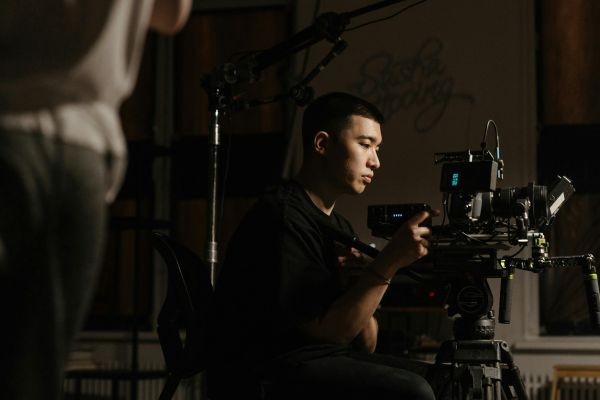


1. Visual Storytelling: Show, Don’t Explain
The strongest directors don’t rely on dialogue to carry the story—they use visuals.
Every frame should answer:
What does the audience need to feel right now?
What can I show instead of say?
Techniques to use:
Use framing to isolate characters when they feel alone
Push in slowly during emotional moments to build intensity
Let silence replace dialogue when possible
If your scene works without sound, you’re directing at a high level.
2. Blocking with Purpose
Blocking (how actors move in a scene) is one of the most underrated directing tools.
Bad blocking = characters standing around talking
Strong blocking = movement that reflects emotion and power
Examples:
A character pacing = anxiety or lack of control
One character standing while another sits = power imbalance
Two characters gradually closing distance = rising tension or intimacy
Don’t just place actors—give their movement meaning.
3. Working with Actors: Pull Real Performances
Your actors are the face of your vision. If the performance feels fake, the whole project collapses.
Strong directing approach:
Don’t give line readings—give intentions
Replace “be sad” with “you’re trying not to break down in front of them”
Build trust so actors feel safe taking risks
If your set feels tense in a bad way, performances will suffer. A controlled but collaborative environment wins every time.
4. Controlling Tone and Mood
Tone is what makes your project feel consistent. Without it, scenes feel disconnected.
How to control tone:
Lighting: harsh vs soft changes emotion instantly
Camera movement: handheld = chaos, tripod = control
Color palette: cool tones for isolation, warm tones for comfort
Think of tone as the emotional “filter” over your entire story.
5. Shot Selection That Serves the Story
Don’t shoot random “cool angles.” Every shot should have a reason.
Basic framework:
Wide shots: establish environment and isolation
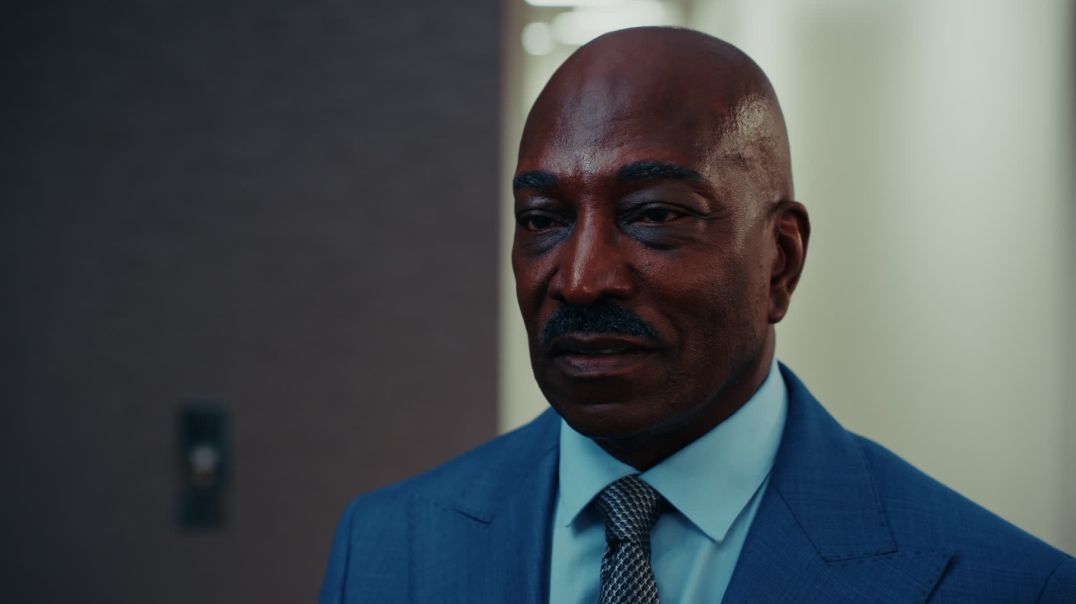
Medium shots: conversation and interaction
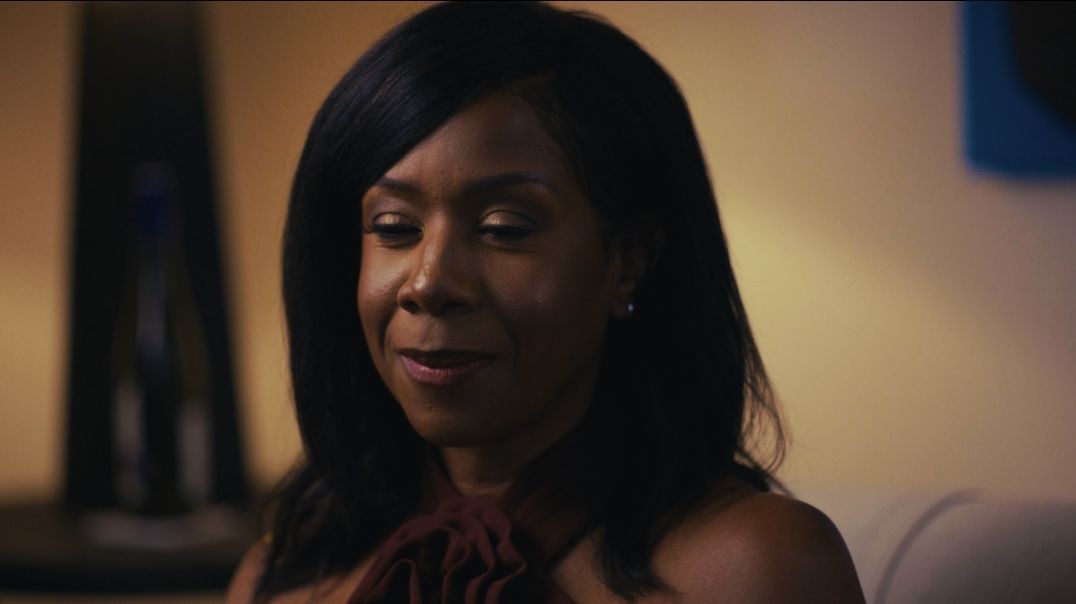
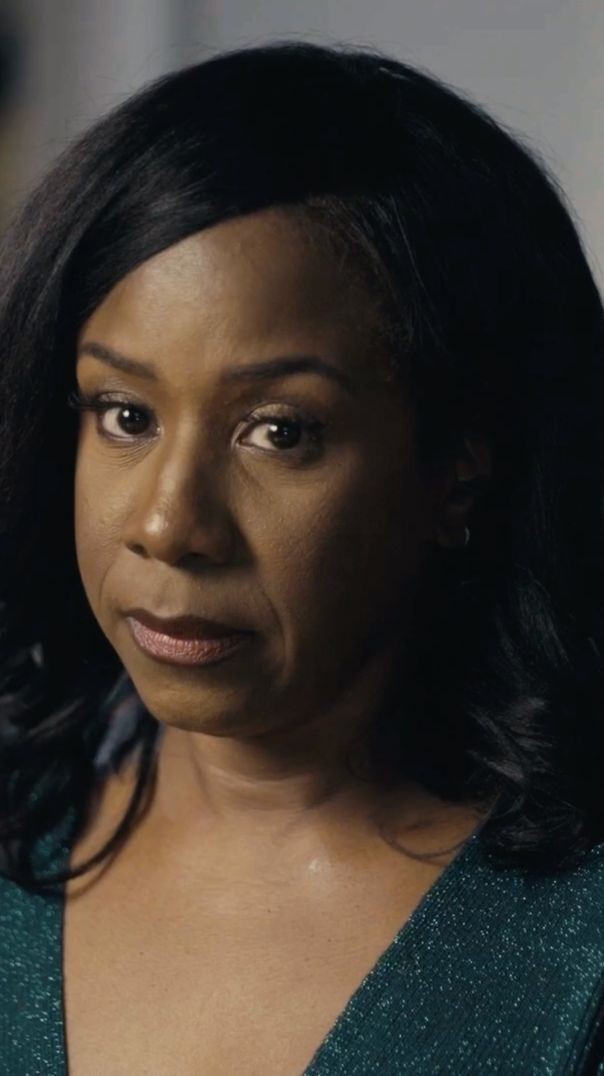
Close-ups: emotion and internal conflict
If everything is shot the same way, nothing feels important. Variety creates impact.
6. Pacing and Rhythm
Directing isn’t just what happens in a scene—it’s how long it lasts.
Control pacing by:
Letting moments breathe instead of rushing cuts
Cutting early during high tension to create urgency
Holding longer than expected to create discomfort
Great pacing keeps the audience locked in without them realizing why.
7. Directing for the Edit
Smart directors think like editors while shooting.
What this means:
Get clean coverage (wide, medium, close)
Shoot reaction shots—they’re gold in editing
Capture inserts (hands, objects, environment)
If you don’t shoot it, you can’t fix it later. Period.
8. Building a Signature Style
The best directors are recognizable without seeing their name.
Your style comes from:
How you frame shots
Your pacing choices
Your tone and subject matter
Don’t chase trends. Build consistency. That’s how audiences start recognizing your work.
9. Leading the Set Effectively
A director is also a leader. If the set is disorganized, your film will be too.
Key habits:
Communicate clearly and quickly
Respect your crew’s time
Make decisions with confidence
Indecision kills momentum faster than mistakes.
10. Directing for Platforms Like Indie Tube
When directing for digital platforms, attention is everything.
Adjust your approach:
Hook the audience in the first 10–20 seconds
Keep scenes tight—cut anything unnecessary
Prioritize strong openings and endings
You’re competing with endless content. If you lose them early, they’re gone.
Final Thoughts
Directing is where vision meets execution. You can have a great script, solid actors, and good equipment—but without strong direction, it won’t land.
Focus on:
Intentional visuals
Meaningful performances
Clear emotional control
Master these, and your projects won’t just look better—they’ll connect.
If you’re serious about growing as a director, start applying these techniques on your very next shoot. Don’t wait for a “bigger” project. The discipline you build now is what scales later.